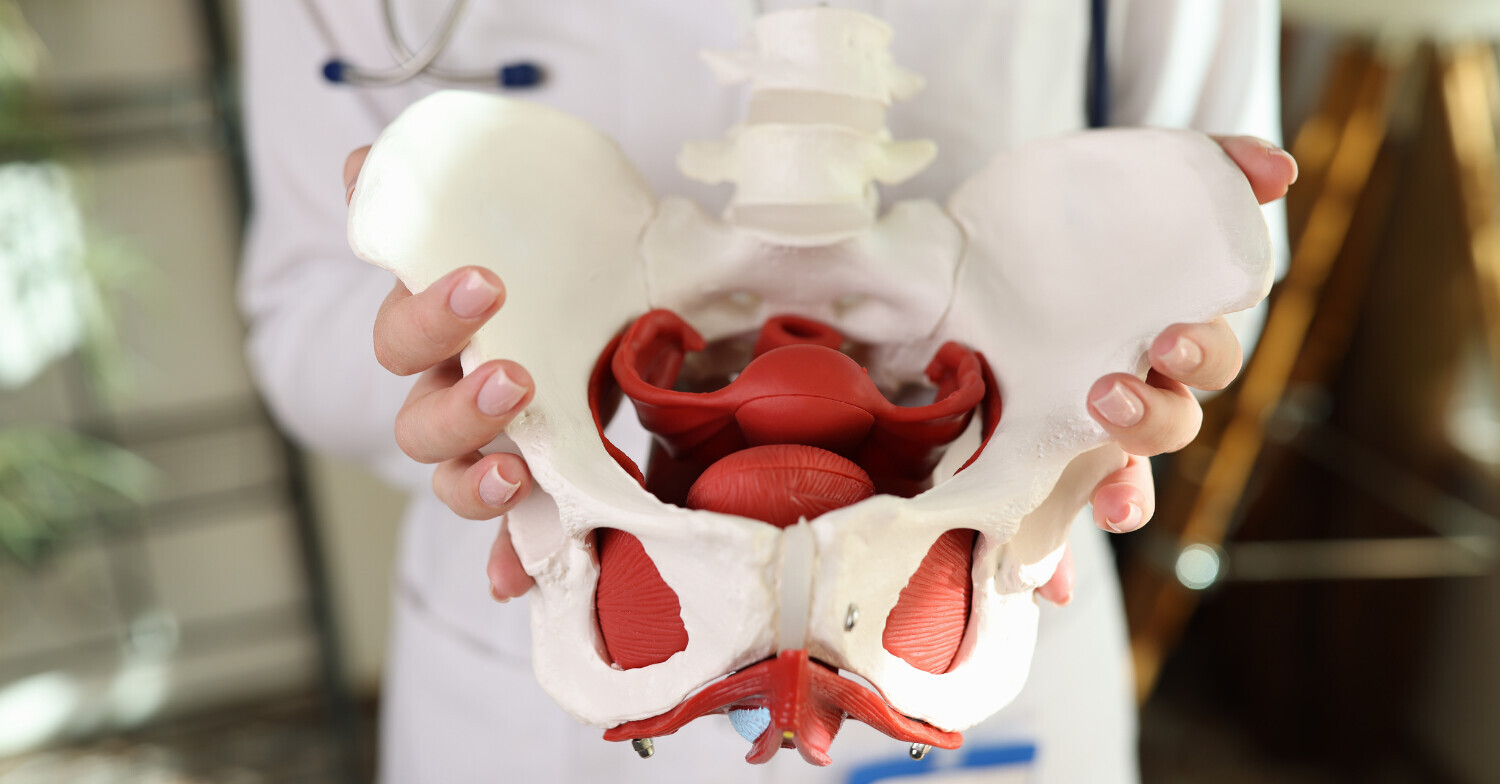
For decades, the standard advice for anyone experiencing pelvic issues has been a simple, three-word prescription: "Do your Kegels." However, according to me, a Registered Physiotherapist, this one-size-fits-all approach is often incomplete—and for some, it can be actively harmful.
What are Kegels?
Named after Dr. Arnold Kegel, these exercises involve the repeated contraction and relaxation of the pelvic floor muscles—the "sling" that supports the bladder, uterus, and rectum. By strengthening these muscles, individuals aim to improve bladder control and organ support.
The Pros: When Strength is the Goal
Research confirms that Kegels are highly effective when the primary issue is muscle weakness. Key benefits include:
● Stress Urinary Incontinence: Stronger muscles help prevent leaks during coughing, sneezing, or exercising.
● Mild Pelvic Organ Prolapse: Strengthening can provide a "lift" for early-stage (I-II) prolapse.
● Postpartum Recovery: Gentle exercises help muscles bounce back after delivery, provided the muscles aren't overly tight.
The Cons: The Risk of Over-Tension
The biggest drawback of Kegels occurs when they are applied to a hypertonic (overactive) pelvic floor. If your muscles are already in a state of constant tension or spasm, adding more "squeezing" is like trying to fix a calf cramp by doing more calf raises.
Conditions that may be worsened by Kegels include:
● Chronic Pelvic Pain: In both men and women, extra tension increases discomfort.
● Urinary Urgency: Muscles that can't relax often signal the brain to go more frequently.
● Difficulty Emptying: If muscles can't "let go," it becomes harder to empty the bladder or bowels.
This blog emphasizes that assessment must precede exercise. A pelvic floor physiotherapist can determine if your muscles are weak, overactive, or simply uncoordinated.
For those with overactive muscles, the solution isn't a Kegel, but a "Reverse Kegel"—focusing on diaphragmatic breathing and conscious relaxation to lengthen the muscle.
Before starting a regimen, seek a professional evaluation. Your pelvic health deserves a tailored strategy, not just a generic exercise. Whether you need to strengthen, relax, or coordinate, the right plan starts with knowing what your body actually needs.
If you are someone who is struggling with their pelvic floor health and are unsure what to do, book your pelvic floor assessment with Jumana by clicking here or call Capital Wellness Clinic at 613-416-8292 or visit us online at capital-wellness.ca.